CASE STUDY
Environment Dust and Wind Compliance Monitoring
Executive Intelligence & Governance
The problem
-
Manual monitoring and compliance reporting required significant time and resources, with risk of missing critical environmental events.
-
The team had no straightforward way to demonstrate they were meeting regulatory requirements-relying on a three-month scramble to gather data from disconnected systems and unverified spreadsheets.
-
Warning signs were missed and issues only came to light after the fact, with ~$130,000 a year spent on audit compilation and manual processes.
The Challenge: No Clear View of Compliance
The Environment team at a major port and Mine operation needed to prove compliance with regulatory conditions across their port, rail, and mine operations. They knew what they were being measured on, but they had no straightforward way to demonstrate they were meeting those requirements.
Every year, the same inefficient process played out: three months of manually hunting down data from disconnected systems, chasing people for unverified spreadsheets, and piecing together reports. By the time they’d gathered everything for the annual audit, there was barely any time left to analyse what the data was actually telling them. Warning signs were missed. Issues only came to light after the fact.
The team was spending $80,000 a year just compiling audit reports, plus another $50,000 on manual processes like paper-based forms and data entry.
The Solution: Line of Sight
We worked with the team to create what they called “Line of Sight” - a process and series of automated reports that gave them exactly what the name suggests: clear visibility of their compliance position at any moment.
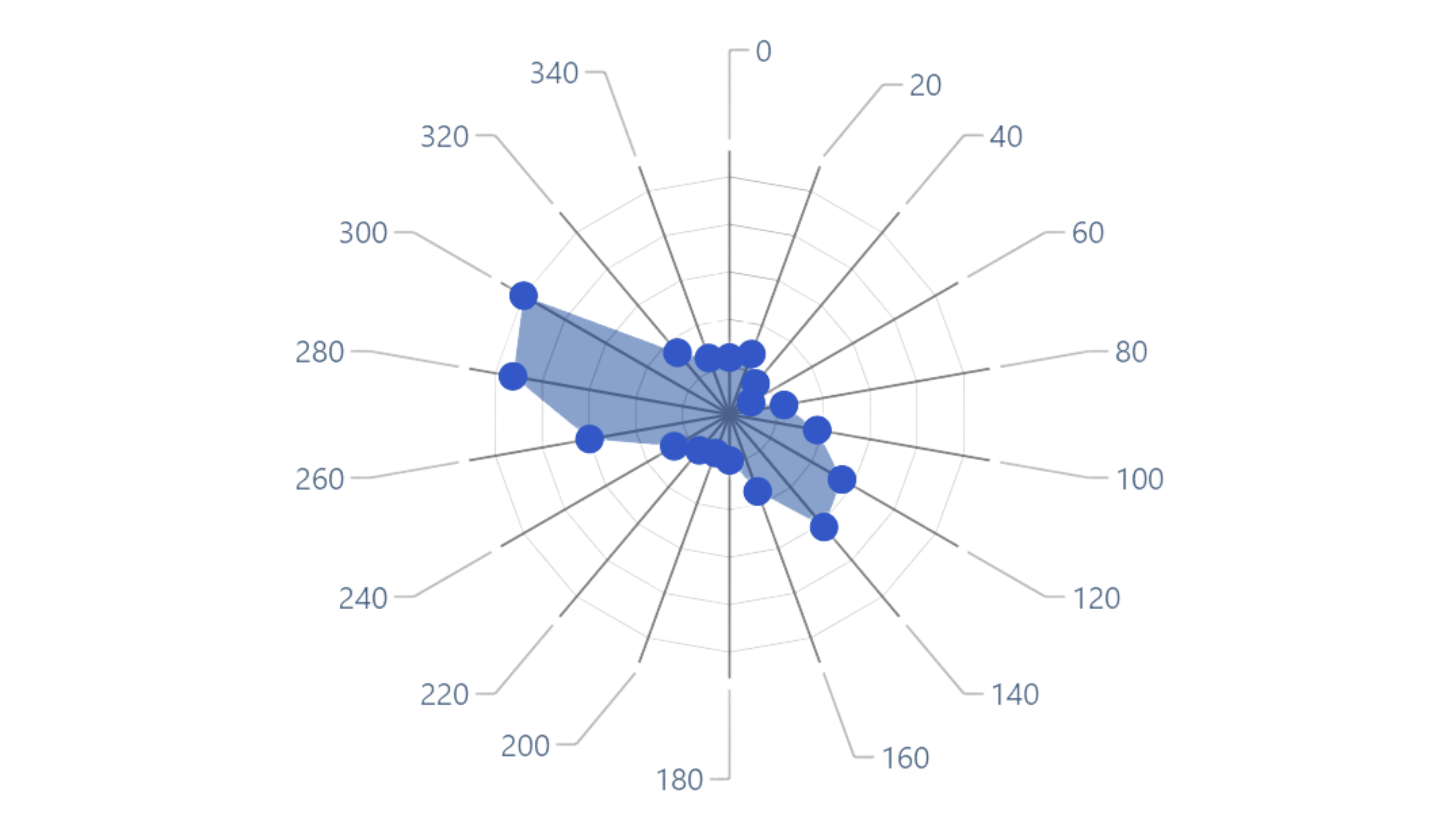
We examined all their existing data sources and brought them together in one place. Where data simply didn’t exist, we helped create new digital processes to capture it properly. Then we built dashboards that showed the information that actually mattered - aligned directly to their legislative requirements.
The Result: From Reactive to Proactive
The three-month annual scramble? Gone. Manual form processes? Automated. But more importantly, the team could finally do their real job: environmental stewardship.
With real-time visibility, they could spot trends before they became problems. They could demonstrate compliance confidently. And to estimate a dollar value, they saved ~$130,000 a year in the process.